Ford E-Transit — Best Home EV Charger & Charging Guide (NZ)

The best home charger for the Ford E-Transit is a 7kW (32A) wall charger — it charges the 75kWh battery overnight in around 11 hours, versus ~45 hours on the included 8A plug-in lead. The E-Transit has an 11kW onboard AC charger, so a 22kW three-phase charger can cut that to ~8 hours. For public AC charging you’ll need a 22kW (3-phase) Type 2 to Type 2 cable. Full details below.
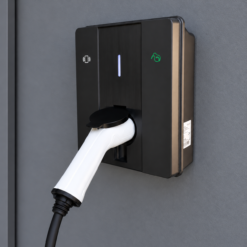
Recommended chargers Charge time calculator

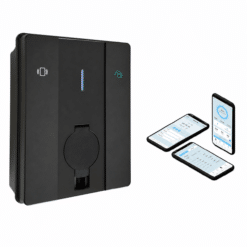
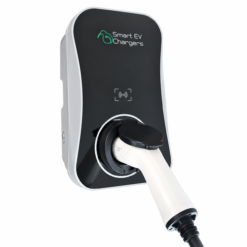
Best home charger

7kW / 32A wall box

Full overnight charge, single-phase — the go-to for most homes and depots.

Full home charge

~11 hrs @ 7kW

20% → 100% • ~8 hrs with 3 phase charging

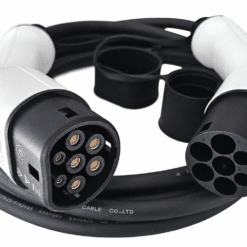
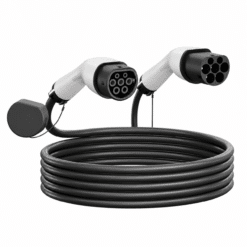
Public AC cable

Type 2 to Type 2, 5m

22kW 3-phase rated — makes full use of the 11kW onboard charger.

DC fast charging

15% → 80% ~34 min

CCS2 • up to 115kW

Ford E transit home charging

About the E-Transit

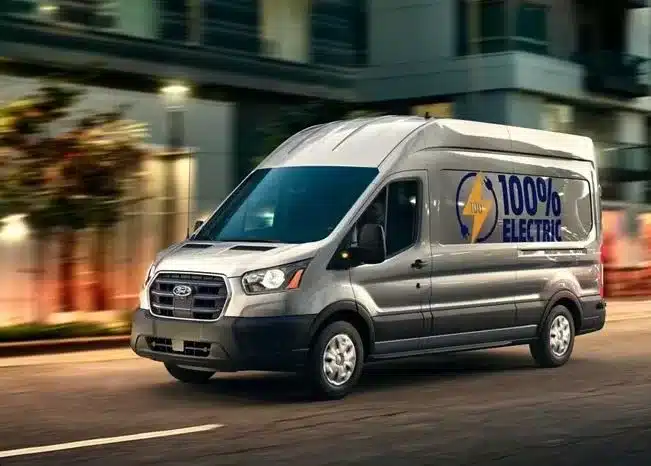
New Zealand’s favourite van, now electric

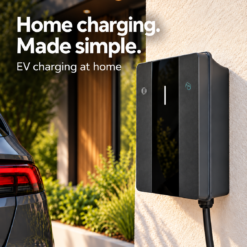
The Ford E-Transit doesn’t come with a plug-in charger, but it does include a Type 2 to Type 2 charge cable in the box. To charge at home or at your depot, the easiest and fastest option is a wall-mounted EV charger.

Charging from a standard wall socket with the included 8A lead takes around 45 hours for a full charge. A 7kW wall charger brings that down to about 11 hours, and with 3-phase power a 22kW charger does it in roughly 8 hours. Running a fleet? Take a look at our range of DC fast chargers for depot use.

Official Ford E-Transit New Zealand page →

Ford E-Transit specifications (NZ)

Item Specs
Battery size75kWh
Maximum AC charge speed11kW (with 3 phase charging)
Maximum DC charge speed115kW
Charge portType 2 + CCS2 • front-centre

Best home chargers for the Ford E-Transit

The E-Transit’s 11kW onboard charger makes it a great match for a 3-phase depot supply, but a single-phase 7kW wall charger still gives a comfortable full overnight charge for most operators.

Have 3-phase power

22kW three-phase charger

The Tron 22kW delivers the E-Transit’s full 11kW AC rate — a complete charge in around 8 hours. Ideal for depots and yards with 3-phase supply.

Standard home supply

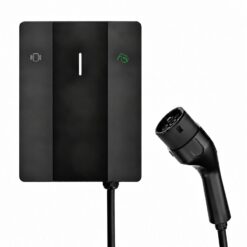
7kW single-phase charger

The best option for most homes and single-phase sites — a full overnight charge in around 11 hours. Available tethered (cable attached) or as a socket for your own cable.

Got solar panels

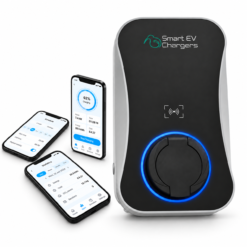
Solar-aware charger

Our smart chargers support solar diversion — soak up your excess solar export and charge the van for free during the day.

Our recommended chargers for the Ford E-Transit

Ford E-Transit charge times at home — quick guide

Estimated charge time comparison from 20% to 100% — generally you don’t arrive home with 0% remaining. The last 5% slows down as the cells are balanced, so the times below are estimates.

Charger type Battery Approx. charge time 20% to 100%
8A factory charger 75kWh 45 hours
10A Type 2 plug-in charger 75kWh 36 hours
16A charger (caravan / commando style) 75kWh 18 hours
32A wall charger with socket 75kWh 11 hours
32A wall charger with cable 75kWh 11 hours
Tron 22kW wall charger (with 3 phase charging, 11kW rate) 75kWh 8 hours — fastest home option

Want exact numbers for your power price and starting charge? Use the calculator below, or see our charge time calculator and charge cost calculator.

Ford E Transit public charging

Ford E-Transit charging cost & time calculator

Based on the 75kWh battery — AC caps at 11kW (with 3 phase charging)

Estimated time to charge

To 100% from your start %

Estimated cost to charge

$0.00
0.00 kWh from the wall (approx)

Public charging with the Ford E-Transit (NZ)

DC fast charging (CCS2)

The E-Transit supports up to 115kW DC charging, taking the van from 15% to 80% in around 34 minutes. On a 50kW charger the same top-up takes about 75 minutes. Charging slows after 80%, so on longer trips you’re better to split charging up. DC chargers have cables attached — no need to bring your own.

Public AC charging (Type 2)

Type 2 public chargers are found at supermarkets, malls, hotels and motels — you’ll need to bring your own cable for most of these. The charge port is on the front-centre of the vehicle.

Ford E Transit public charging

Popular apps for fast charging

Provider Notes Apple app Android app
ChargeNet Largest network nationwide Download Download
BP Fast chargers at key sites Download Download
Z Energy Fast chargers at selected stations Download Download
Tesla Most NZ Superchargers are open to non-Tesla Download Download

For more, see our full New Zealand public charging guide. PlugShare is handy for checking what’s available at your destination before you leave.

What cable do I need for public AC charging?

We recommend a 22kW (3-phase) Type 2 to Type 2 cable in 5m. The E-Transit charges at up to 11kW 3-phase, so a 22kW-rated cable makes full use of it — and it still works on every single-phase charger. The majority of free public chargers use a Type 2 socket, so this cable lets you use them. Some public chargers have a Type 2 cable hard-wired, so a cable isn’t needed 100% of the time.

Ford E-Transit home charging FAQs (NZ)

What is the best home wall charger for the Ford E-Transit?

For most homes and single-phase depots, a 7kW (32A) wall charger is the best option — it fully charges the E-Transit overnight in around 11 hours. If you have 3-phase power available, a 22kW charger like the Tron delivers the van’s full 11kW AC rate and cuts that to about 8 hours.

No. The E-Transit charges happily on a standard single-phase 7kW wall charger, giving a full overnight charge. Three-phase is only needed if you want the fastest home charge using the van’s full 11kW onboard charger via a 22kW charger.

From 20% to 100%, expect around 45 hours on the included 8A lead, about 11 hours on a 7kW wall charger, and roughly 8 hours on a 22kW 3-phase charger. On DC fast charging the van goes from 15% to 80% in around 34 minutes at up to 115kW.

You can, but it’s slow. The included 8A plug-in lead takes around 45 hours for a full charge from a standard socket — fine as a backup, but for daily use a 7kW wall charger is far more practical.

A 22kW (3-phase) Type 2 to Type 2 cable is the best choice. The E-Transit charges at up to 11kW 3-phase, so a 22kW-rated cable makes full use of that, and it also works on every single-phase public charger. A 5m length suits most sites.

The E-Transit accepts up to 115kW DC via its CCS2 port, taking the battery from 15% to 80% in around 34 minutes. DC chargers have their cables attached, so you don’t need to bring your own.

Free advice, no obligation

Expert Ford E-Transit charging advice

Want the easiest, safest charging setup at home or at your depot? We’ll help you choose the right wall charger, confirm your cable needs, and recommend the best install option for your switchboard and parking spot. Running a fleet? Ask us about DC fast chargers and load management. Or simply purchase online and have your local sparky install it.

Free advice includes:
– Charger recommendation
– Installation quote (nationwide options)
– Solar integration options (charge from excess solar for free)
– Public charging & cable guidance

0224564874
Sales@smartevchargers.co.nz