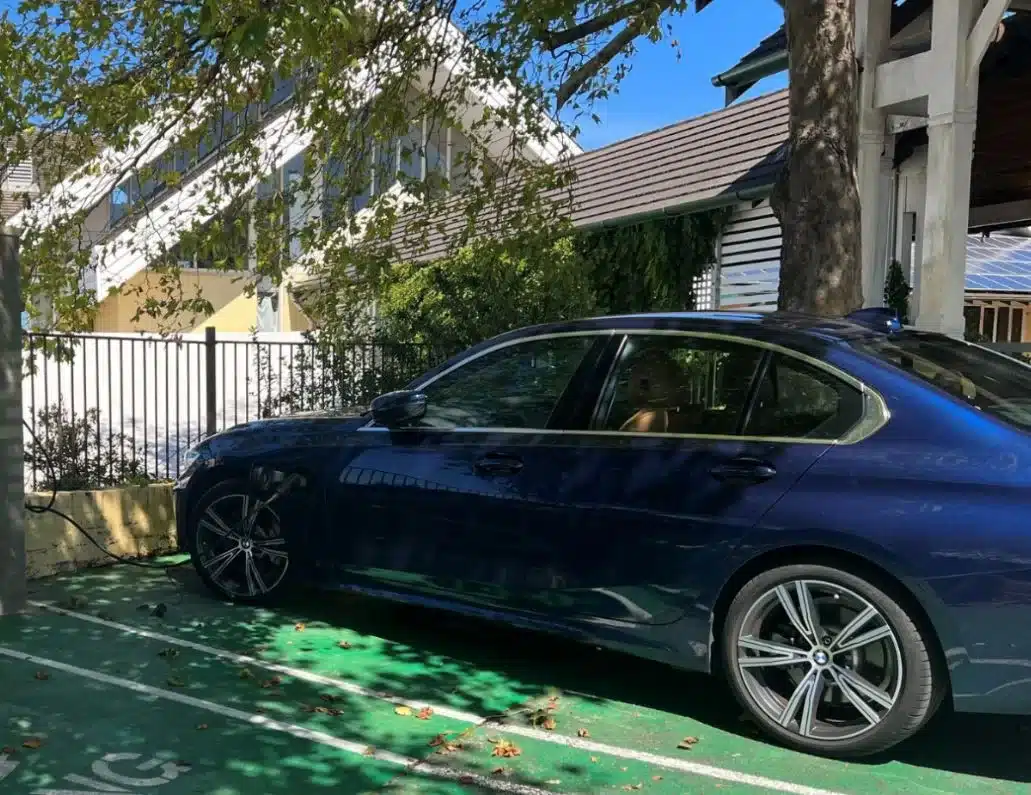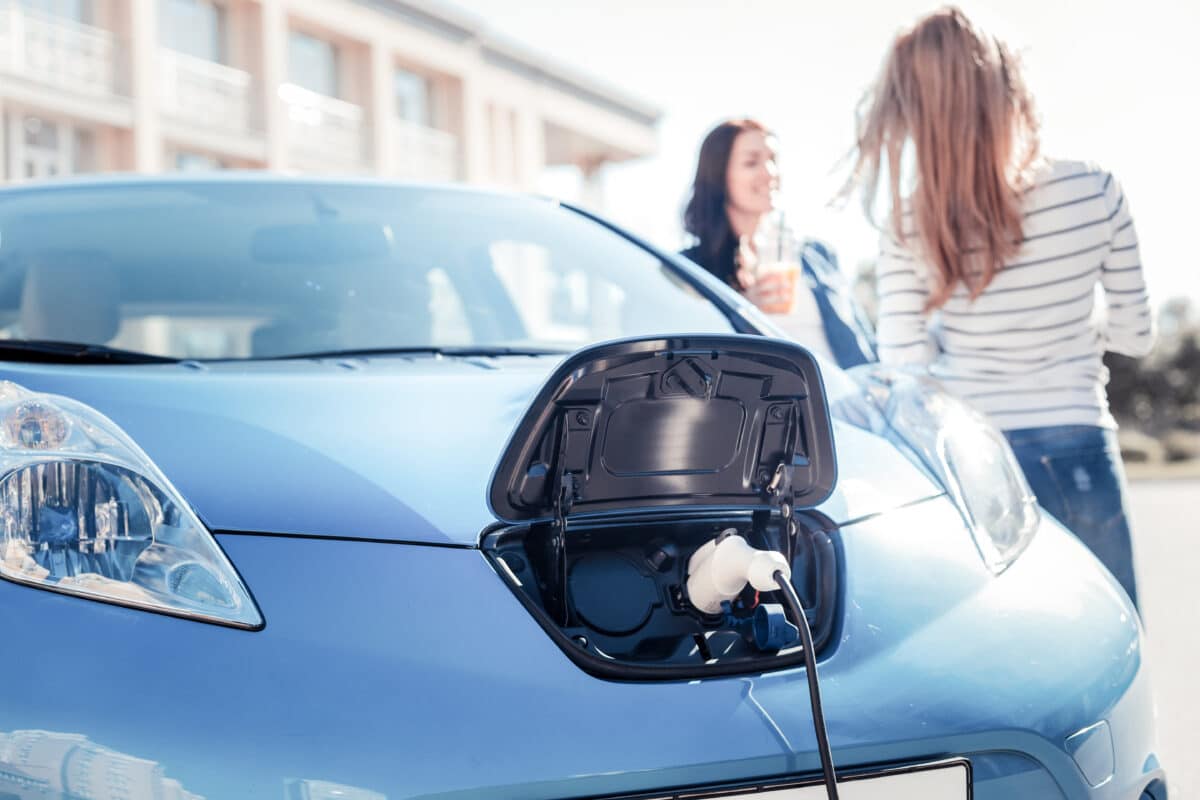
Charging at a commercial ev charger

Commercial EV Charging Hardware — NZ Wide Delivery

Commercial EV Chargers NZ

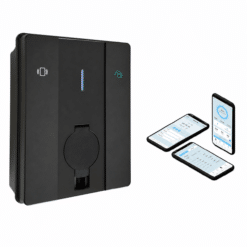
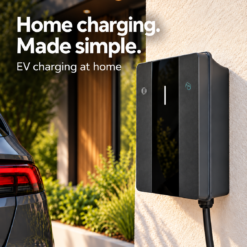
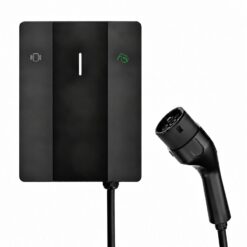
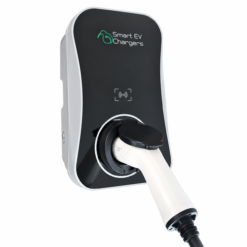
Commercial EV charging hardware for business car parks, workplaces and commercial buildings. Choose from 7.4kW and 22kW AC chargers, DC fast chargers, RFID access, dynamic load management and optional OCPP monitoring — supplied direct from the NZ importer, from a single charging bay to a larger networked car park.

Request a hardware recommendation Get charger pricing

✓ NZ importer and local stock    ✓ OCPP-compatible commercial hardware    ✓ Suitable for installation by your electrician    ✓ Standalone or managed operation
Commercial EV charging hardware in stock

Supplied from NZ stock with GST invoices. Volume and trade pricing for installers and multi-charger orders available.

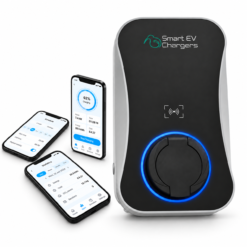
$979.00 inc. GST
$3,900.00 inc. GST

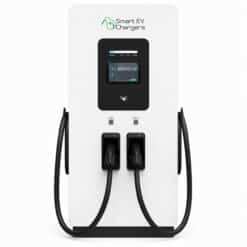
D.C Fast chargers

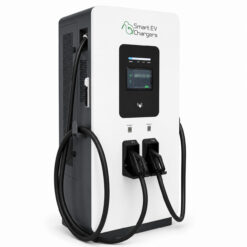
30kW D.C Wall charger CSS2

$15,110.00 inc. GST

Quick answers for buying business EV chargers

The short version — the rest of this page explains each decision in detail.

How many chargers?

As an initial planning allowance, consider equipping around 10% of bays, with the electrical infrastructure prepared for future expansion.

7kW, 22kW or DC?

7.4kW AC suits staff and long-stay parking. 22kW makes better use of a three-phase supply. DC is only needed for short-stay or fleet turnaround.

Free or paid?

Our commercial OCPP chargers can operate free, RFID-restricted or with paid charging through the Kiwi EV platform.Monitor report and restrict charging. 

What do I buy?

See the example hardware packages below for one, four, ten and twenty parking spaces — then request a recommendation for your site.

Example hardware packages by site size

Match your parking situation to a starting package. Every package scales — the OCPP chargers in a one-bay setup are the same hardware family as a twenty-bay networked car park.

Site requirement Recommended hardware Access & management
One staff or customer bay 1 × 7.4kW commercial wall charger App control, optional RFID card lock
Two to four shared bays 2–4 × 7.4kW OCPP chargers with RFID RFID cards per user, energy reporting via OCPP
Five to twenty bays Networked OCPP chargers with dynamic load management, wall or pedestal mounted Kiwi EV platform — paid charging, reporting, remote monitoring
Short-stay or fleet turnaround DC fast charger (30kW+), plus AC chargers for overnight bays OCPP, pay-per-use or fleet RFID

How many EV chargers does your site need?


You generally don’t need a charger in every bay. An EV parked for a workday often only needs a few hours of 7.4kW charging to cover typical daily driving, so where vehicles can be moved after charging, one charger may serve several staff members across the day. Where vehicles remain parked all day, a higher charger-to-vehicle ratio may be needed.

Planning guidance for NZ commercial sites:

  • Workplaces: as an initial planning allowance, consider equipping around 10% of bays while preparing the electrical infrastructure for future expansion. For many smaller businesses, two to four chargers are a practical starting point.
  • Customer parking (retail, gyms, hospitality): a small number of chargers is usually enough to advertise EV charging and meet current demand — utilisation data from the chargers will tell you when to add more.
  • Fleets: the ratio depends on daily distances and whether vehicles charge overnight or turn around during the day. Overnight-charged fleets can often share chargers; day-turnaround fleets need more chargers per vehicle, or DC charging.
  • Commercial buildings and body corporates: plan the switchboard capacity and cable routes for the expected future count, but only buy chargers for current demand.

The most cost-effective approach is usually to install fewer chargers than the final plan calls for, on infrastructure sized for more. New chargers can join the same platform later as demand grows as long as they have OCPP.

Not sure where to start?

Tell us your bay count, expected users and site power supply — we’ll spec the hardware for free.

Request a hardware recommendation →

7kW AC vs 22kW AC vs DC fast charging

Charging speed is the biggest cost driver in a commercial installation. Buy the speed your parking dwell time actually needs — not the biggest number on the spec sheet.

  7.4kW AC (single phase) 22kW AC (three phase) DC fast (30kW+)
Approximate range added per hour Around 35–50 km Around 100–140 km when the vehicle supports 22kW Highly dependent on charger and vehicle
Power supply needed Single phase, 32A per charger Three phase, 32A per phase Three phase, high capacity
Best for Staff parking, hotels, apartments, all-day bays 22kW-capable vehicles and vans, mixed dwell times Short-stay bays, fleet turnaround, public charging
Hardware cost per bay $ $$ $$$$
Typical dwell time 4+ hours 3+ hours Under 1 hour

Range figures are broad estimates — actual charging varies with vehicle efficiency, battery temperature and the power the car accepts. Most EVs accept a maximum of 7.4kW or 11kW AC. A 22kW charger will only deliver its full output to a vehicle with a 22kW onboard charger; its main advantage is faster charging for compatible vehicles and better use of an available three-phase supply.

Our recommendation for most businesses: 7.4kW AC chargers with OCPP and load management. They cover staff, customer and overnight fleet charging at the lowest hardware and electrical cost. Add a DC fast charger only if vehicles genuinely need to leave again within the hour.

Free charging vs paid charging — and recovering your power costs

Our commercial OCPP charger range can be configured for free charging, RFID-restricted use or paid charging, depending on the management platform selected — so you can change the access model later without replacing chargers:

Free charging. Simplest to run — plug in and charge. Suits customer perks and staff benefits. Add RFID cards if you want “free, but only for our people”.

RFID-restricted. Chargers stay locked until a registered card is tapped. Every session is logged against the card holder, so you know who used what — ideal for workplace charging, fleets and body corporates splitting a power bill.

Paid charging. Connect the chargers to the Kiwi EV OCPP platform and set a per-kWh rate. Drivers pay through the platform, you receive the revenue, and the power cost is recovered. Different rates can apply to different users — staff at cost, public at a margin.

Tenant / employee billing. Use the energy reports to on-charge actual kWh used each month — no estimating, no arguments.

EV charging at an apartment carpark

A worked example

At 300kWh per month, the difference between a 25c/kWh electricity cost and a 40c/kWh charging rate is approximately $45 per charger, before platform fees, payment fees, maintenance and other operating costs. You can set the rate to recover electricity costs only, or include a margin toward the charging infrastructure.

OCPP monitoring


Our chargers use OCPP 1.6J — the open standard for charger management. Depending on the charger and management platform, OCPP can provide live status, session reporting, remote start and stop, fault information and selected remote-management functions. OCPP reduces dependence on a single software provider, although compatibility and supported functions should be confirmed before moving platforms.

Energy reporting


An OCPP system will provide per-session and per-user kWh reports, exportable for accounting. Know what EV charging adds to the power bill, allocate costs to departments or tenants, and produce the numbers for FBT, sustainability reporting or on-charging without manual meter reads.

RFID access control

Tap-to-charge cards keep chargers locked to authorised users — staff, tenants, fleet drivers or guests. Cards are managed centrally, so issuing a new starter or cancelling a lost card takes seconds. Sessions log against the card, giving you an audit trail per user. RFID cards available here.

How the chargers connect


Commercial chargers need a data connection to report to an OCPP platform. Our commercial range connects via Wi-Fi or Ethernet. A 4G modem can be used if there is no local network. If the internet connection drops, charging continues — authorised RFID cards keep working locally and session records upload when the connection is restored. For multi-charger sites, we recommend a hardwired Ethernet run or a dedicated 4G router in the distribution board rather than relying on building Wi-Fi at car-park distances.

Dynamic load management for multiple EV chargers


Four 7.4kW chargers running flat out draw 128A — more than many commercial switchboards have spare. Load management addresses this.

Dynamic building load management adds site monitoring (a CT meter on the incoming supply), so the charging allowance increases or decreases according to the building’s real-time electricity demand — the chargers speed up at night and throttle back when the building is busy.

Load management can allow more chargers to operate within a fixed site power limit than would be possible if every charger ran continuously at full output, and in some cases can reduce or defer the need for an expensive supply upgrade. The right configuration is site-specific — tell us your main-switch rating and we’ll advise what fits.

Adding more chargers later

Start with what you need now and expand as EV uptake grows. Where the electrical distribution, communications and cable routes have been prepared in advance, additional chargers can usually be added with less disruption and lower cost. New chargers join the same OCPP platform and load-management group as the existing units.

Mounting and connector choices

Wall vs pedestal mounting

Mount to a wall or structural post wherever bays back onto one — it’s cheaper and keeps cable runs short. For open car parks, island bays or bays away from the building, a galvanised pedestal holds one or two chargers back-to-back, serving two bays from a single foundation. We stock pedestals to suit our charger range.

Socket vs tethered chargers

Socketed (Type 2 socket): drivers use their own compatible cable, leaving the charger tidy when not in use. Socketed chargers are particularly useful at shared sites because both Type 1 and Type 2 vehicles can be accommodated with the appropriate charging cable. This is our default recommendation for public, customer and tenant charging.

Tethered (fixed cable): more convenient — walk up and plug in. Best for fleets and staff parking where the same known vehicles charge daily and the cable is looked after. Check the cable length against your parking layout so it comfortably reaches the charge port on the vehicles that will use the bay.

We stock both: tethered 7.4kW and socketed versions of the same charger, so mixed sites can standardise on one hardware family.

Ongoing costs — what to expect

Standalone operation does not require a charging-network subscription — a charger can run free or RFID-restricted using its local functions. OCPP management, payment processing and mobile-data services may carry ongoing charges depending on the configuration you select:

  • No subscription: free or locally RFID-restricted charging with app control.
  • OCPP platform fee: applies when chargers are managed through Kiwi EV or another back-office — covers monitoring, reporting and user management.
  • Payment processing: paid charging carries standard transaction fees on driver payments.
  • Mobile data: a SIM/data cost applies only if the site uses 4G instead of Wi-Fi or Ethernet.

We’ll set out the exact costs for your configuration when you request pricing — no surprises after purchase.

Warranty, compliance and documentation

 
  • Warranty: 3 -year warranty, supported from NZ with local replacement stock.
  • Compliance: Supplier Declaration of Conformity provided; hardware compliant with the applicable AS/NZS standards for EV supply equipment.
  • Electrical protection: integrated 6mA DC leakage detection, allowing installation with a Type A RCD keeping costs down.
  • Build: IP]-rated enclosures suitable for all outdoor NZ installations.
  • Documentation: spec sheets, installation manuals and commissioning support available for your electrician before and during installation.

Need documents up front for a project sign-off? Ask when you request pricing and we’ll send the spec sheets and compliance documentation for the recommended hardware.

Charging solutions by business type

Detailed guides for each commercial charging scenario.

EV charging at a hotel or motel

EV chargers for hotels & motels

Paid or free guest charging that brings EV drivers to your door.

EV wall charger on an air Bnb

Airbnb & holiday home chargers

Attract EV-driving guests, free or with charging on-charged to the stay.

Public destination chargers

Supermarkets, malls, gyms and restaurants — charge while they shop.

Workplace EV charging

Staff car park chargers with RFID access and per-user cost allocation.

EV charging at an apartment carpark

Apartment & shared EV charging

Shared chargers with per-tenant billing for body corporates.

work ev charging in a garage

Fleet EV charging

Depot and at-home fleet charging with reimbursement from one platform.

Why buy commercial charging hardware from us

Smart EV Chargers NZ (Laser Imports Limited) is the direct importer — you’re buying at importer pricing, not through a project-management margin. Nearly two decades of importing experience and direct manufacturer relationships mean cost-effective hardware without compromising on support.

  • Supply-only, by design. We sell the hardware and support the software. Your own electrician installs it — you keep control of installation costs and use someone you trust.
  • Open-standard hardware. OCPP chargers work with our Kiwi EV platform or other OCPP back-offices, and don’t require a subscription for basic operation.
  • NZ stock and support. Christchurch-based, NZ-wide delivery, GST invoices, and real people on the phone when a charger needs troubleshooting.
  • One charger or fifty. Same hardware family from a single wall charger to a fully networked, load-managed car park — with trade and volume pricing available.
ev plugged in charging

Commercial EV charger FAQs

7.4kW commercial wall chargers start from around $680–$780 per unit, 22kW three-phase units from around $979, and DC fast chargers run into five figures depending on power. Installation is quoted separately by your electrician and depends heavily on cable run lengths and switchboard capacity. Request pricing below and we’ll spec hardware for your exact site.

No. 7.4kW chargers run on single phase and cover most workplace, hotel and customer charging. Three phase lets you run 11kW or 22kW AC chargers, or more single-phase chargers per board, and is required for DC fast charging. If your building already has three phase, it’s worth using.

Yes. Our commercial OCPP chargers can connect to the Kiwi EV platform for pay-per-kWh charging, with different rates for staff, tenants and the public. You can also run RFID-only access and bill users monthly from the energy reports instead.

Our AC chargers use the Type 2 charging standard, which is standard on all new EVs and plug-in hybrids sold in NZ. They connect directly to Type 2 vehicles, and a socketed charger can also charge older Type 1 vehicles — such as many Japanese-import Nissan Leafs — when used with a Type 2-to-Type 1 cable.

Standalone operation does not require a charging-network subscription. OCPP management, payment processing and mobile-data services may carry ongoing charges depending on the configuration selected — we set these out clearly when quoting so there are no surprises after purchase.

We supply the hardware and support the software — installation is done by your own registered electrician, which keeps your install costs transparent and competitive. If you don’t have an electrician, ask us and we can point you to installers who have fitted our chargers before.

OCPP (Open Charge Point Protocol) is the open standard that lets chargers talk to management platforms. OCPP hardware reduces dependence on a single software provider — you can use our Kiwi EV platform, use another OCPP back-office, or run the chargers standalone. Compatibility and supported functions should still be confirmed before moving platforms, but open-protocol hardware keeps that option realistic in a way closed systems don’t.

Chargers are held in NZ stock and ship nationwide, typically arriving within a few working days. Multi-charger and pedestal orders may take slightly longer — we’ll confirm stock when you request pricing.

Request a hardware recommendation

The more you can tell us, the more accurate the recommendation. Useful details include: number of parking bays, how many chargers now and expected later, typical parking duration, who will use them (staff, fleet, tenants or public), free/restricted/paid charging, single or three-phase supply and main-switch rating if known, network availability (Wi-Fi, Ethernet or cellular), wall or pedestal mounting, and the vehicle types involved. Don’t worry if you don’t know it all — send what you have.

Prefer to talk? Call 022 456 4874 or email Sales@smartevchargers.co.nz