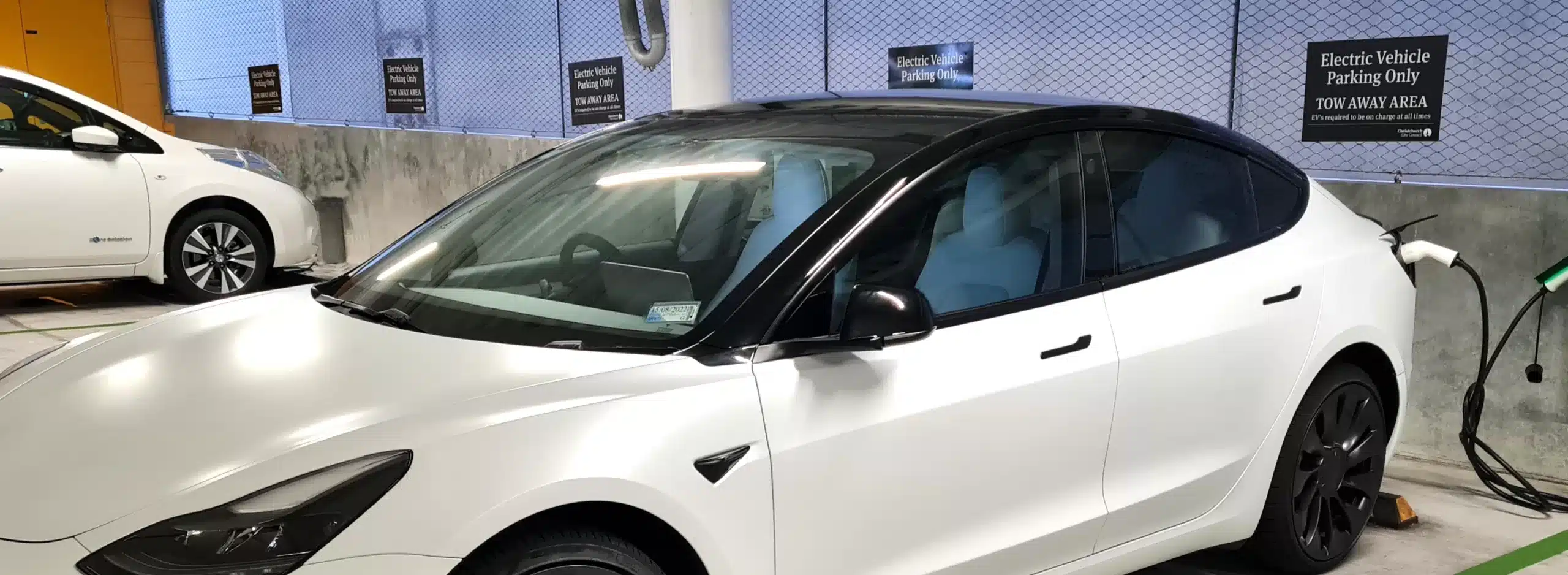
Tesla and leaf using public destination chargers

Public & Destination Charging

Public and Destination EV Chargers for New Zealand Businesses

Attract EV-driving customers, recover charging costs and add a useful amenity to your property. We supply AC destination chargers and DC fast chargers for New Zealand businesses, with free charging, restricted access or automated pay-as-you-go charging through our New Zealand-operated Kiwi EV platform.
Get a public charging quote Talk to us about your site

01 — The business case

Turn Customer Parking Into an EV Charging Destination

02 — Destination charging explained

What Is Destination EV Charging?


Destination charging means customers charge while visiting your business — the charger is not necessarily the primary reason for the stop. It’s different from fast charging, where drivers stop mainly to charge and leave as soon as possible.

AC destination chargers suit locations where customers already expect to remain parked for an hour or more. They provide useful range while the customer shops, eats, exercises, stays overnight or visits the premises.

DC fast charging is more appropriate where drivers need a meaningful charge quickly and the stop itself is shorter — or where charging is a service you actively want to sell to passing traffic.

03 — Where it works

Which Businesses Benefit From Destination Charging?

Destination charging works best at locations where customers normally remain parked for an hour or more. Shorter visits can still provide a useful top-up, particularly with higher-powered AC or DC charging.

Restaurants & cafés

A 1–2 hour meal suits AC charging, offered free or pay-as-you-go.

Retail & shopping centres

Longer browsing visits suit multiple pay-as-you-go AC bays.

Gyms & recreation centres

A one-hour workout adds useful range — free for members or paid.

Tourist attractions

On-site charging can make an attraction more convenient for travelling EV drivers and help distinguish it from nearby alternatives.

Golf clubs

A round of golf is long enough to substantially recharge most EVs on AC.

Hotels & motels

Overnight stays are ideal for AC charging — see our hotel & motel page.

Council & community facilities

Libraries, pools and venues with visits of an hour or more.

Commercial car parks

Longer parking stays suit multiple load-managed AC charging bays with paid access.

04 — Access options

Choose How Drivers Access and Pay

Suitable OCPP-compatible charger hardware can support free, restricted or pay-as-you-go operation, allowing the access model to be changed later in many installations.

Free charging

The business absorbs the electricity cost as a customer amenity. Payment software is not required, although compatible chargers can still be connected for monitoring and access control.

Best for: Attractions and businesses using charging as a point of difference.

Restricted customer charging

Access is controlled through reception, authorised RFID cards or user accounts, so charging stays available to your customers, members or tenants.

Best for: Gyms, clubs and sites where only certain people should charge.

Automated pay-as-you-go

Drivers scan a QR code, see your price and pay electronically for the energy they use through our Kiwi EV platform. With the Kiwi EV OCPP platform you can monitor costs and adjust rates from the platform.

Best for: Genuinely public chargers and hands-off cost recovery. 


05 — Pay-as-you-go

How Pay-As-You-Go Public Charging Works

 
  1. Driver scans the QR code on the charger with their phone.
  2. Your charging rate is displayed on a secure web payment page — no app download needed.
  3. The driver enters payment details and the session is authorised with a credit or debit card.
  4. Charging begins, and the driver can monitor progress from their phone.
  5. You monitor energy, sessions and revenue from one dashboard, with funds paid in to your account on the 1st of the following Month.

You set the price per kWh and can adjust it at any time. Kiwi EV is our New Zealand-operated OCPP charger management platform, so support is local.

Learn about the Kiwi EV platform
Kiwi EV ocpp platform

Connectivity and monitoring

Pay-as-you-go charging and remote management require a reliable internet connection at the charger — depending on the charger and site, this may be Wi-Fi, Ethernet or mobile connectivity, and we can help identify the most practical option during planning. Through the OCPP platform you can see charger status and sessions, adjust pricing, view revenue reporting, and receive fault visibility that can allow some issues to be investigated or resolved without an initial site visit.

06 — AC or DC?

AC Destination Charging or DC Fast Charging?


Neither is universally better — the right choice depends on customer traffic, dwell time, electrical capacity and budget.

Factor AC destination charging DC fast charging
Typical use Customers already staying at the destination Drivers stopping mainly to charge
Charging speed Usually 7.4–22 kW Commonly 30 kW and above
Hardware cost Lower Significantly higher
Installation cost Usually lower Commonly requires greater site capacity and more substantial electrical infrastructure
Number of bays Easier to install several Higher cost per charging bay
Vehicle compatibility Compatible where the vehicle supports the charger’s AC supply and the correct cable or connector is used Requires a compatible DC inlet, CCS2 or CHAdeMO
Best sites Hotels, restaurants, gyms, retail and attractions High-traffic routes and short-stop locations
Revenue potential Lower energy delivered per hour; often installed across more bays More energy can be sold during a shorter session, but with much higher capital and power costs
Power requirements Often manageable with dynamic load management May require substantial site capacity

For most restaurants, hotels, gyms, workplaces and attractions, AC charging offers the lowest-cost way to provide multiple charging bays. DC fast charging is better suited to locations where drivers expect a shorter stop and the site has sufficient electrical capacity. DC fast charging requires a larger investment than AC destination charging — hardware and installation costs vary significantly depending on charger power, connector configuration and the site’s available electrical supply, so contact us for a project-specific quote.

07 — Sizing your site

How Many Chargers Should Your Business Install?

The right number depends on:

  • Customer numbers and existing EV demand
  • Average dwell time
  • Available electrical capacity
  • Parking layout
  • Free versus paid charging
  • Future growth and budget

For many destination sites, two moderately powered charging bays can provide a better customer experience than one higher-powered AC bay, because two vehicles can charge at once. The best arrangement still depends on likely demand and available capacity.

Cabling, communications and load management can also be planned so additional chargers can be added later and managed through the same central dashboard.

08 — Site selection

What Makes a Good Charging Location?

A good destination-charging site normally has:

  • Customers staying for at least 30–60 minutes
  • Visible, accessible parking that is unlikely to be blocked
  • Sufficient electrical capacity, with chargers positioned near the switchboard where practical
  • Mobile or data coverage for payments and monitoring
  • Lighting and passive security
  • Enough customer traffic to justify the investment

09 — Load management

Avoid Overloading Your Site’s Electricity Supply

Our chargers support dynamic site load management: a CT sensor at your main switchboard monitors the site’s total electricity demand, and charging automatically reduces when the rest of the building is working hard, then ramps back up as capacity becomes available.

  • Charging works around your building’s existing loads
  • The installation is designed so the total charger load stays within your site’s capacity
  • Can help defer the cost of a supply upgrade at many sites
  • The system can be planned for future expansion

Load management does not mean every charger always receives maximum power — when several chargers operate at once, the available capacity is managed so the site stays within its limits. Because destination customers are parked for an extended period, a lower average charging rate can still add a substantial amount of range during the visit.

Grid supply Main switchboard CT sensor monitors total demand Business loads Lighting, kitchen, equipment EV chargers Charging rate adjusts automatically Charging power reduces as building demand rises, then increases again when capacity is available.

10 — Findability

Make Your Charger Easy to Find and Use


First decide how public your charger really is: available only to customers, available during business hours, or fully public around the clock. That choice shapes access control, pricing and how you list the charger.

For chargers open to the public, plan for:

  • Visible signage and clear parking markings to discourage petrol or diesel vehicles from blocking the charging bay
  • Lighting and an accessible bay layout with enough cable reach
  • Displayed pricing, reliable operation and mobile or internet connectivity
  • Charger-status visibility and a support contact for drivers

Consider displaying any parking or charging time limits clearly. At busier locations, parking restrictions or site signage may help keep the charger available after a vehicle has finished charging.

Public sites should also plan who will respond to driver enquiries, how faults will be escalated and how frequently charger availability will be checked. Remote monitoring helps identify problems, but some faults will still require an electrician or site visit.

Genuinely public chargers may be eligible for inclusion in EVRoam, New Zealand’s live database of public EV charging infrastructure. EVRoam distributes charging-location and availability data through participating apps and websites. Your property can also be added to PlugShare. Registration and data requirements vary, and we can help point you towards the relevant process.

11 — Hardware

Recommended Public EV Chargers


AC destination chargers

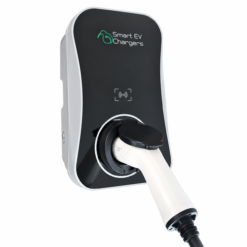
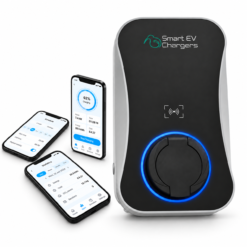
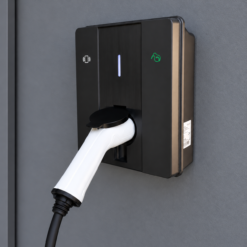
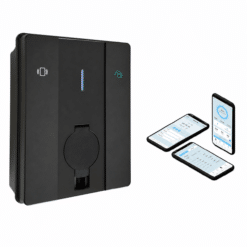
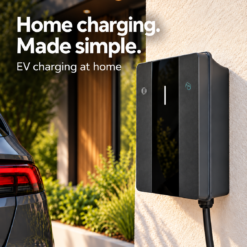
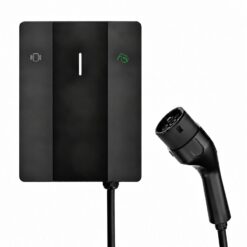
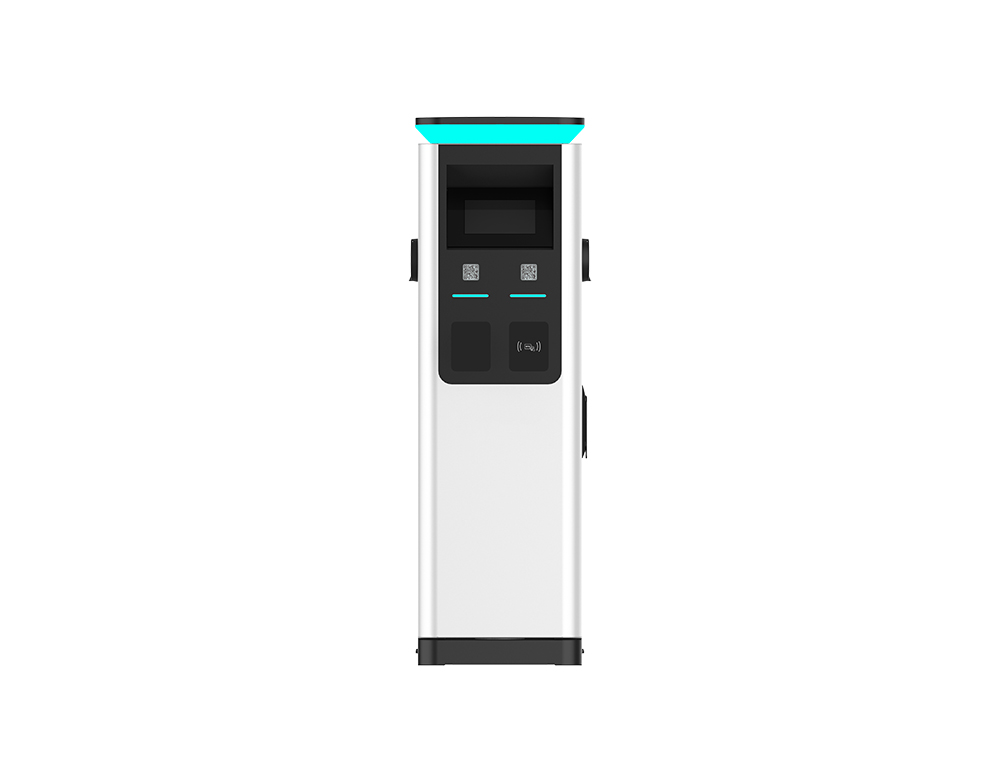
Our AC range includes OCPP-compatible 7.4 kW and 22 kW wall chargers, socket and tethered options, and dual-output pedestals for open car parks. Selected models support Kiwi EV pay-as-you-go charging, free plug-and-charge operation and dynamic site load management. We will recommend hardware that supports the payment, access and load-management requirements of your site.

$979.00 inc. GST
$3,900.00 inc. GST

DC fast chargers

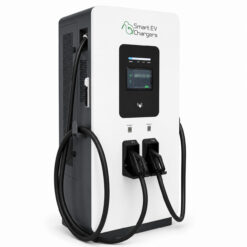
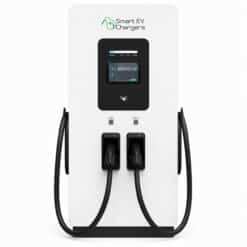
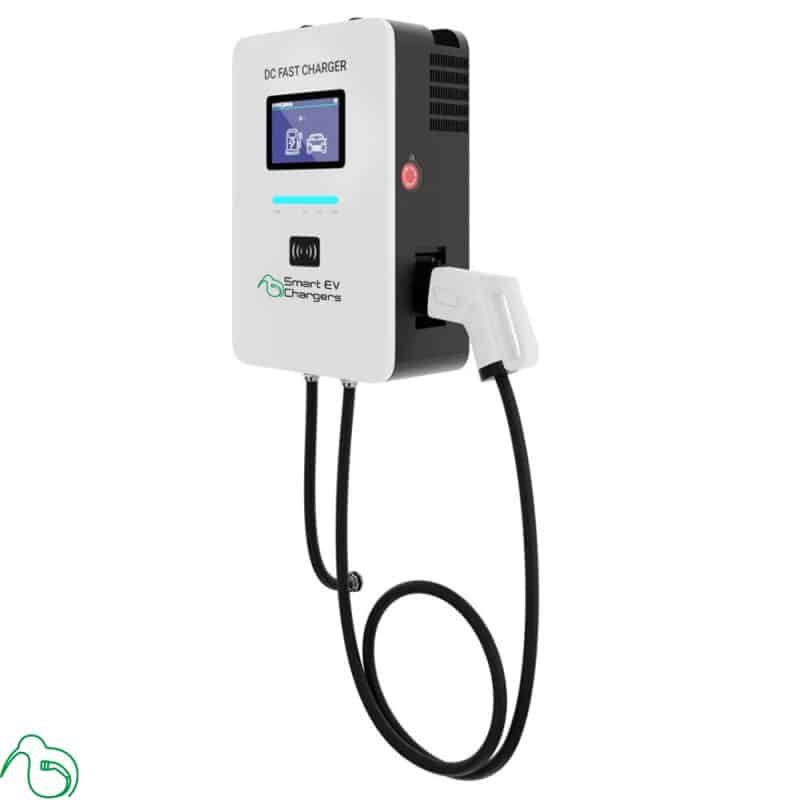
Our compact DC chargers suit destination sites where customers require a faster top-up. The 30 kW CCS2 model supports compatible CCS2 vehicles, while a dual-output CCS2 and CHAdeMO configuration can also support Japanese-import EVs fitted with CHAdeMO. Both can be connected to the Kiwi EV platform for paid charging. Higher-powered DC options are available for sites with sufficient capacity and customer demand.

The electrical installation can be completed by a New Zealand registered electrician — we provide the charger documentation and commissioning support, or can help connect you with an installer familiar with our equipment.

12 — Costs

What Does a Public EV Charger Cost?

The total cost of a public charging project is made up of:

  • Charger hardware — see current pricing on each product page above
  • Electrical installation — cabling, protection and switchboard work, including any switchboard upgrades
  • Trenching, pedestals or protective bollards — where chargers are away from buildings
  • Site load management and data connectivity
  • Payment-platform and card-processing fees — for pay-as-you-go charging
  • Signage, bay marking and ongoing maintenance

There is no universal figure — the biggest factors are the distance from the charger to your switchboard, whether trenching is required, and your site’s available electrical capacity. We can help arrange an electrician to quote, or you can use your own.

Can public EV charging make money?

Charging revenue depends on charger utilisation, electricity cost, selling price, payment costs and the amount invested in installation. At many destination sites, the main benefit is attracting customers and improving the property’s amenity rather than earning a large standalone charging profit.

Example: A customer adding 20 kWh uses 20 kWh of electricity. At a business electricity cost of 25 cents per kWh, the energy cost is approximately $5 before network, software and payment costs. You choose the customer rate and can include a margin to help recover those costs.

With pay-as-you-go charging you set your own price per kWh, can adjust it at any time, and monitor revenue from the Kiwi EV dashboard.

13 — Why us

Why Choose Smart EV Chargers NZ?

 
  • New Zealand company, local support and local warranty backing
  • Kiwi EV — our New Zealand-operated OCPP payment platform
  • Free, restricted and pay-as-you-go charging options
  • AC destination and DC fast charger supply
  • Dynamic site load management
  • Wall-mounted and pedestal options
  • OCPP-compatible hardware not locked to one software provider
  • Commissioning support and nationwide electrician coordination
  • Experience with commercial charging projects.

14 — Common questions

Frequently Asked Questions

A destination charger lets customers charge while they visit your business — the charger is not necessarily the main reason for the stop. It differs from highway fast charging, where drivers stop mainly to charge. AC destination chargers suit locations where customers stay parked for an hour or more.

It depends on dwell time, electrical capacity and budget. For most restaurants, hotels, gyms and attractions, AC charging offers the lowest-cost way to provide multiple charging bays. DC fast charging suits locations where drivers expect a shorter stop and the site has sufficient electrical capacity.

Yes. Drivers scan the QR code on the charger and pay through a secure web payment page with a credit or debit card. No app download is needed to start and pay for a charging session.

Yes. With pay-as-you-go charging through the Kiwi EV platform, you set your own price per kWh and can adjust it at any time. You can also offer charging free, or apply different arrangements for different user groups.

Yes. Chargers can be limited to authorised RFID cards or user accounts, operated through reception, or set as pay-as-you-go so any use is paid for at your rate. You choose whether chargers are private to customers or listed publicly.

It depends on customer numbers, dwell time, electrical capacity, parking layout and budget. For many destination sites, two moderately powered charging bays can provide a better customer experience than one higher-powered AC bay, because two vehicles can charge at once. The best arrangement still depends on likely demand and available capacity.

Often, yes. Dynamic site load management monitors your site’s total demand through a CT sensor and automatically reduces charging when the rest of the building is under load. The installation is designed so the total charger load stays within your site’s capacity, which can help defer a supply upgrade at many sites.

Genuinely public chargers may be eligible for inclusion in EVRoam, New Zealand’s live database of public EV charging infrastructure, which distributes charging-location and availability data through participating apps and websites. Your property can also be added to PlugShare.

Pay-as-you-go charging and remote management require a reliable internet connection at the charger. Depending on the charger and site, this may be provided through Wi-Fi, Ethernet or mobile connectivity. Free local plug-and-charge operation may not require an active payment platform or internet connection, depending on the charger configuration. Internet connectivity is still required for remote monitoring, user authorisation and cloud-based load or access management.

Yes. The electrical installation can be completed by a New Zealand registered electrician. We provide the charger documentation and commissioning support, or can help connect you with an installer familiar with our equipment.

Charging revenue depends on charger utilisation, electricity cost, selling price, payment costs and the amount invested in installation. At many destination sites, the main benefit is attracting customers and improving the property’s amenity rather than earning a large standalone charging profit.

Connected chargers report their status through the OCPP platform, so faults are visible remotely. This can allow some issues to be investigated or resolved without an initial site visit, though some faults will still require an electrician or site visit. We provide local support and warranty backing for equipment we supply.

More Commercial Charging Solutions

View all commercial EV charging solutions  •  Hotel & motel EV chargers  •  Workplace EV chargers  •  DC fast chargers  •  Kiwi EV OCPP management software

Get started

Planning Public EV Charging for Your Business?

Tell us your business type and location, how long customers typically stay, how many chargers you’re considering, and whether you’re interested in AC or DC and free or paid charging. We’ll recommend a practical setup covering charger selection, payment options, load management and installation.

Phone 022 456 4874 or email sales@smartevchargers.co.nz