JAC T9 PHEV — Best Home EV Charger & Charging Guide (NZ)

The best home charger for the JAC T9 PHEV is a 7kW (32A) wall charger — it fully charges the 31.2kWh battery in around 4.5 hours, versus much longer on the included 3-pin portable charger. The T9 PHEV has an 11kW onboard AC charger, so with 3-phase power it charges even faster. For public AC charging you’ll want a 22kW (3-phase) Type 2 to Type 2 cable, and the T9 also DC fast charges via CCS2. Full details below.

Recommended chargers Charge time calculator

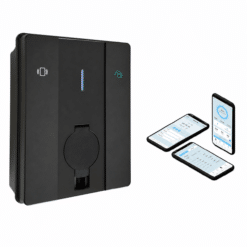
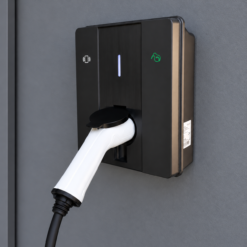
Best home charger

7kW / 32A wall box

Fully charges the battery in ~4.5 hours — perfect for topping up overnight.

Full home charge

~4.5 hrs @ 7kW

Faster with 3 phase charging • restores the full ~100km EV range.

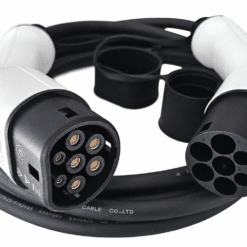
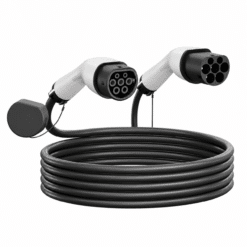
Public AC cable

Type 2 to Type 2, 5m

22kW 3-phase rated — makes full use of the 11kW onboard charger.

DC fast charging

15% → 80% ~30 min

CCS2 fast charging on the go

T9 use home charging

About the T9 PHEV

New Zealand’s plug-in hybrid ute

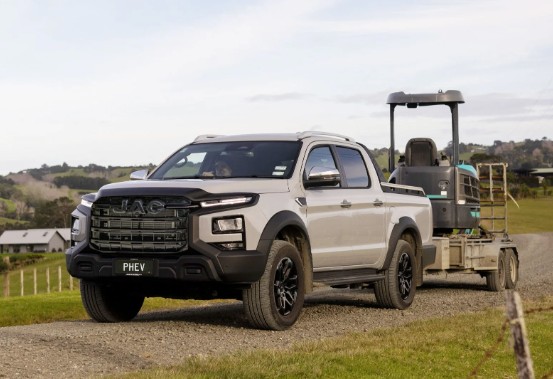
The JAC T9 PHEV is a plug-in hybrid ute — it pairs a 2.0L turbo-petrol engine with a 31.2kWh battery for up to 100km of pure-EV range (NEDC) and a 1,005km combined range. Because it’s a plug-in hybrid, you get the running-cost savings of charging at home for daily driving, with petrol as backup for long trips and towing.

The battery can be topped up three ways: plugged in at home, work or a public charger; charged on the move by the petrol engine; and through regenerative braking. It comes with a 3-pin portable charger in the box, but for regular use a wall charger is faster and more convenient.

Official JAC T9 PHEV New Zealand page →

JAC T9 PHEV specifications (NZ)

Item Specs
Powertrain Plug-in hybrid — 2.0L turbo-petrol + dual electric motors
Battery size 31.2kWh LFP
Pure EV range up to 100km (NEDC)
Combined range up to 1,005km (NEDC)
Maximum AC charge speed 11kW (with 3 phase charging)
DC fast charging CCS2 • 15% → 80% in ~30 min
V2L (tray power outlet) 3.3kW — built in, no adapter needed

Best home chargers for the JAC T9 PHEV

With a 31.2kWh battery, the T9 PHEV charges quickly at home — a 7kW wall charger fully tops it up in around 4.5 hours. Its 11kW onboard charger means a 3-phase charger tops it up even faster, restoring the full EV range for the next day’s driving.

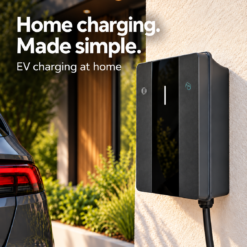
Best for most homes

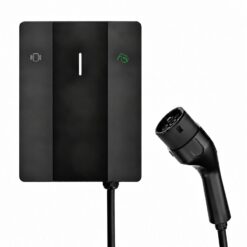
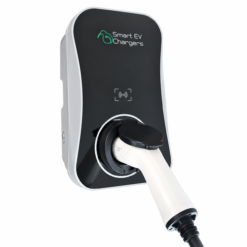
7kW wall charger (tethered)

A cable-attached wall charger is the easiest option — just pull up and plug in. Fully charges the T9 PHEV in around 4.5 hours.

Want your own cable

7kW wall charger (socket)

A socketed wall charger lets you use your own Type 2 cable and keep it tidy — handy if you charge more than one vehicle.

Got solar panels

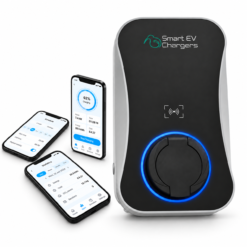
Solar-aware charger

Our smart chargers support solar diversion — soak up your excess solar export and charge the T9 PHEV for free during the day.

Our recommended chargers for the JAC T9 PHEV

JAC T9 PHEV charge times at home — quick guide

Estimated charge times for the 31.2kWh battery. Because it’s a plug-in hybrid with a smaller battery than a full EV, home charging is quick — a wall charger easily refills it overnight, or even during the day.

Charger type Battery Approx. charge time to full
Included 3-pin portable charger (8A) 31.2kWh ~18 hours
10A Type 2 plug-in charger 31.2kWh ~15 hours
16A charger (caravan style) 31.2kWh ~9 hours
32A / 7kW wall charger 31.2kWh ~4.5 hours
Tron 22kW (with 3 phase charging, 11kW rate) 31.2kWh ~3 hours — fastest AC option
DC fast charger (CCS2) 31.2kWh 15% → 80% in ~30 min

Want exact numbers for your power price and starting charge? Use the calculator below, or see our charge time calculator and charge cost calculator.

jac t9 phev public charging in a field

JAC T9 PHEV charging cost & time calculator

Based on the 31.2kWh battery — AC caps at 11kW (with 3 phase charging)

Estimated time to charge

To 100% from your start %

Estimated cost to charge

$0.00
0.00 kWh from the wall (approx)

Public charging with the JAC T9 PHEV (NZ)

DC fast charging (CCS2)

The T9 PHEV supports CCS2 DC fast charging, taking the battery from 15% to 80% in around 30 minutes. Handy for a quick top-up during a coffee stop — though as a plug-in hybrid, you always have petrol as backup, so you’ll rarely rely on it. DC chargers have cables attached, so there’s no need to bring your own.

Public AC charging (Type 2)

Type 2 public chargers are found at supermarkets, malls, gyms, hotels and public carparks — you’ll need to bring your own cable for most of these.

Popular apps for fast charging

Provider Notes Apple app Android app
ChargeNet Largest network nationwide Download Download
BP Fast chargers at key sites Download Download
Z Energy Fast chargers at selected stations Download Download
Tesla Most NZ Superchargers are open to non-Tesla Download Download

For more, see our full New Zealand public charging guide. PlugShare is handy for checking what’s available at your destination before you leave.

What cable do I need for public AC charging?

We recommend a 22kW (3-phase) Type 2 to Type 2 cable in 5m. The T9 PHEV charges at up to 11kW from the Type 2 socket, so a 22kW-rated cable makes full use of it — and it still works on every single-phase charger. The majority of free public chargers use a Type 2 socket, so this cable lets you use them. Some public chargers have a Type 2 cable hard-wired, so a cable isn’t needed 100% of the time.

JAC T9 PHEV home charging FAQs (NZ)

What is the best home wall charger for the JAC T9 PHEV?

A 7kW (32A) wall charger is the best option — it fully charges the 31.2kWh battery in around 4.5 hours, restoring the full EV range for daily driving. It’s much faster and more convenient than the included 3-pin portable charger for regular use.

Yes — it comes with a 3-pin portable charger that plugs into a standard home or building socket. It’s handy as a backup or for occasional charging, but for regular use a wall charger is significantly faster.

On a 7kW wall charger the 31.2kWh battery fully charges in around 4.5 hours, and faster still on a 22kW 3-phase charger (the onboard charger is 11kW). On DC fast charging via CCS2 it goes from 15% to 80% in around 30 minutes. The included 3-pin portable charger takes considerably longer — best kept as a backup.

Yes. The T9 PHEV has a built-in 3.3kW vehicle-to-load (V2L) power outlet in the tray, so you can run power tools, camping gear, lights or appliances straight from the ute. No adapter is needed — the outlet is built into the vehicle.

A 22kW (3-phase) Type 2 to Type 2 cable is the best choice. The T9 PHEV charges at up to 11kW from the Type 2 socket, so a 22kW-rated cable makes full use of that, and it also works on every single-phase public charger. A 5m length suits most sites.

As a plug-in hybrid, the T9 can run on petrol alone if you never plug it in — but you’d miss the savings. Charging at home gives you up to 100km of low-cost EV range for daily driving, with petrol as backup for long trips and towing. Charging overnight on an EV power plan maximises the savings.

Free advice, no obligation

Expert JAC T9 PHEV charging advice

Want the easiest, safest charging setup at home? We’ll help you choose the right wall charger, confirm your cable needs, and recommend the best install option for your switchboard and parking spot. Or simply purchase online and have your local sparky install it.

Free advice includes:
– Charger recommendation
– Installation quote (nationwide options)
– Solar integration options (charge from excess solar for free)
– Public charging & cable guidance

0224564874
Sales@smartevchargers.co.nz