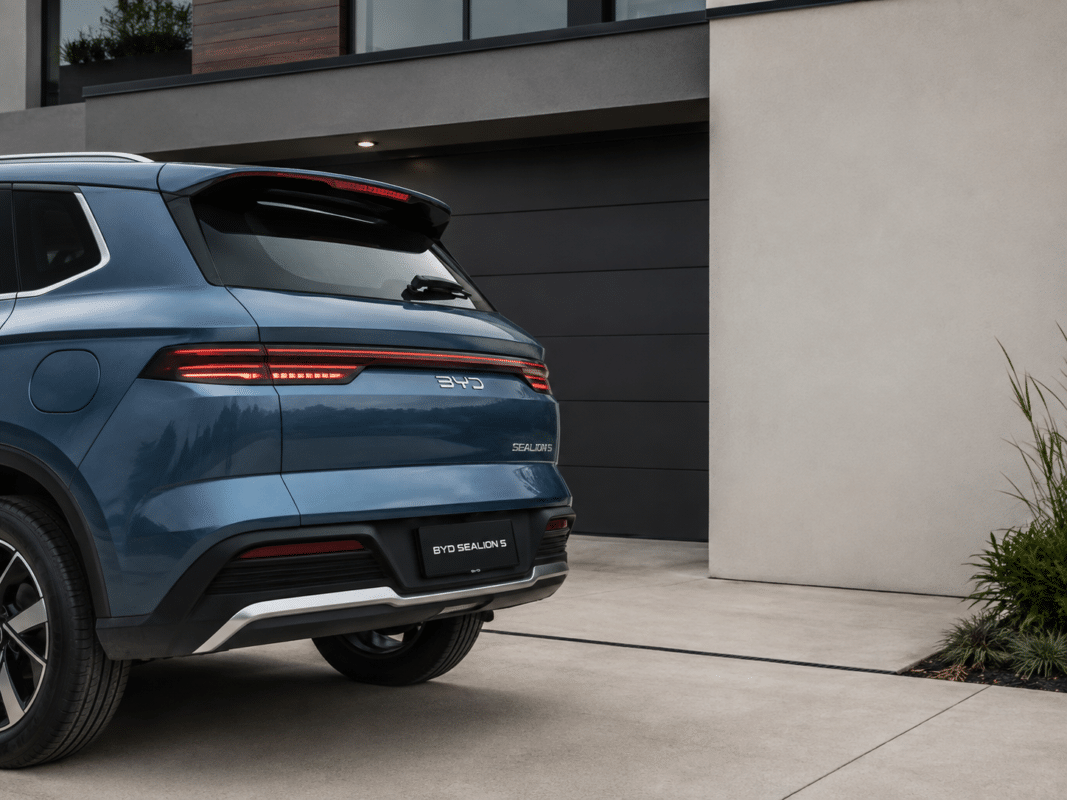
BYD Sealion 5 Home Wall Chargers, Cable & Charging Guide NZ

The Sealion 5 is one of the easiest cars in the country to run on electricity. A smart wall charger fills it overnight — about 3.9 hours for the Essential or 5.5 hours for the Premium — so you wake up to a full battery and cover most daily driving without touching the petrol.

Because the car draws a steady 3.3kW, it’s light on your switchboard, it’s a great match for excess solar generation, and every charge fits comfortably inside an off-peak window. Below you’ll find the right charger for your setup, real charge times, cables, V2L and installation. 
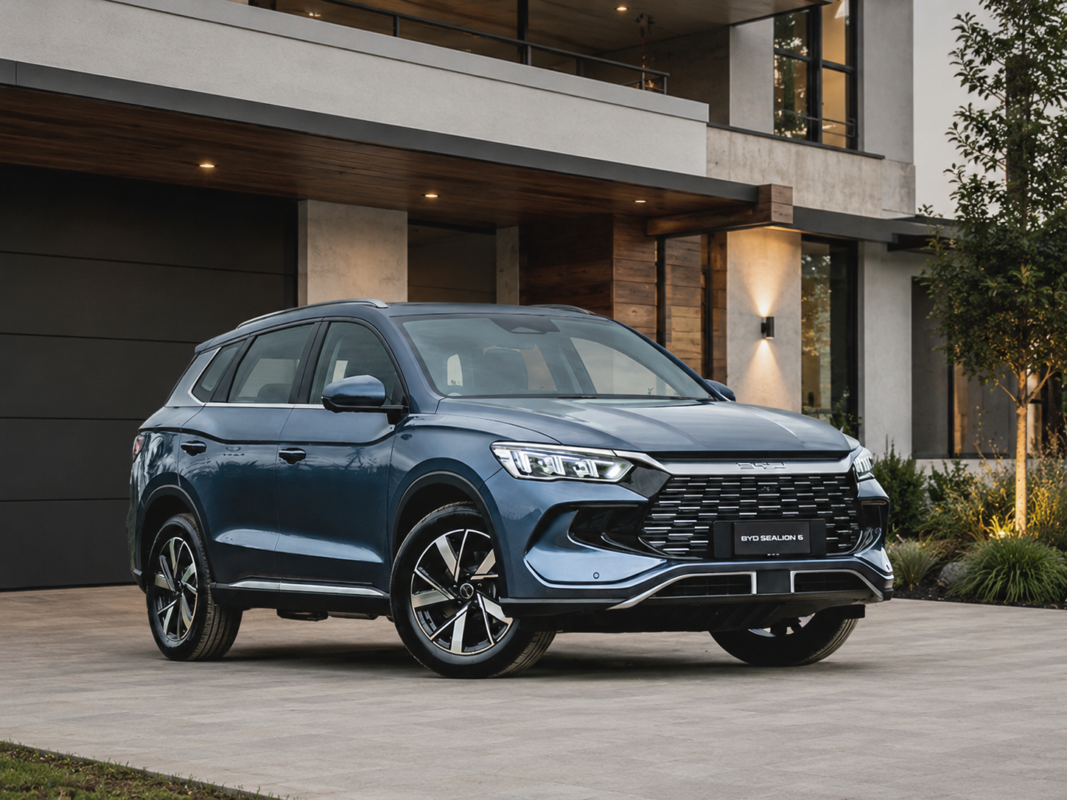
Shop Sealion 5 wall chargers Charge times Shop charging cables V2L adapter
Sealion 5 home charging

Best home charger

7.4kW smart wall charger

Car draws 3.3kW — charger handles the rest

Home charge time

Essential ~3.9 hrs
Premium ~5.5 hrs

10–100% at 3.3kW

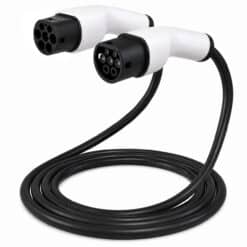
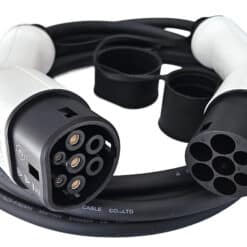
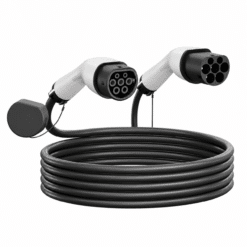
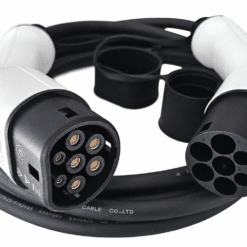
Public AC cable

Type 2 to Type 2, 5m

For public AC and socket-only wall chargers

DC fast & V2L

No DC charging • V2L yes

AC only — V2L adapter here

Charging fact Sealion 5 Essential Sealion 5 Premium
AC connection Type 2
Maximum AC rate 3.3kW single-phase (vehicle limit)
Battery 12.9kWh Blade (LFP) 18.3kWh Blade (LFP)
Full charge at home ~3.9 hrs ~5.5 hrs
Best option for most homes 7.4kW smart wall charger, current-limited to the car
DC fast charging Not supported — AC only
V2L Yes — adapter required for the external socket

Best home wall charger for the BYD Sealion 5

Recommended for both variants

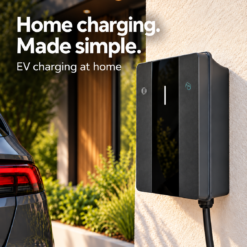
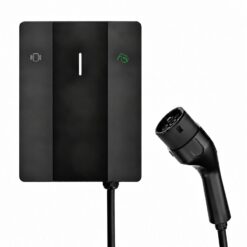
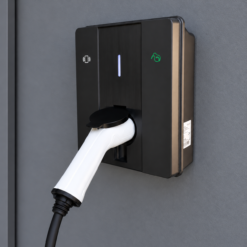
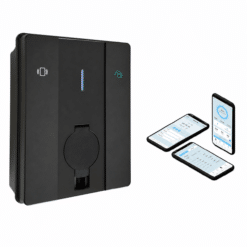
7.4kW smart wall chargers

The Sealion 5 draws 3.3kW whatever it is plugged into, so this charger isn’t about speed — it’s about doing a nightly 4 to 6 hour charge safely or charging using solar diversion if you have solar. 

Buy the tethered version if: you want the simplest everyday option — pull in, plug in, done.
Buy the socket (untethered) version if: you want a tidier wall unit, already own a Type 2 cable, or share the charger between vehicles.

Scheduling via the free app lines the charge up with off-peak or free-hour rates — on a battery this size that is most of the running cost. Solar diversion varies charging current to follow your generation, and at only 3.3kW a modest array can cover much of a charge during the day, reducing what you draw from the grid. Load monitoring keeps the total household draw inside your mains capacity. And when your next car charges at 7kW or 11kW, the charger is already on the wall.

Do I need a wall charger if the Sealion 5 only takes 3.3kW?

It’s a fair question, and the honest answer has two halves.

On speed alone, no. The supplied emergency charger will charge the car in around 7 to 9 hours. For most people this is enough to charge overnight. 

On everything else, yes

What you get Why it matters on a Sealion 5
A permanent, fixed installation You’re pulling 3.3kW for four to six hours, most nights of the year. That’s a job for a dedicated circuit installed by a qualified electrician, not a household socket and a lead across the garage floor.
Off-peak scheduling Set it once in the app and every charge lands in your cheapest window. On a 12.9 or 18.3kWh battery, the tariff you charge on is most of the running cost.
Solar diversion 3.3kW is well matched to a typical NZ rooftop array. The charger tracks your excess generation and feeds it to the car instead of exporting it, reducing daytime charging costs.
Load management (DLB) Keeps the charger plus the oven, hot water and heat pump inside your mains capacity, without you thinking about it.
Charge tracking Actual kWh and cost per session, so you can see what the plug-in half of the car is really saving you.
It outlasts the car The next EV in the driveway will take 7kW or 11kW. The charger is already there and already wired for it.

The short version: buy a wall charger for convenience, safety, cheaper charging and future-proofing — not for speed. If none of those matter to you, a portable charger will do the job.

BYD Sealion 5 home charging times

Charge times for a full 0–100% charge. The last few percent slow down as the cells balance, so these are estimates. 

Charger type Charging power Essential (12.9kWh) Premium (18.3kWh)
Portable charger, standard NZ socket (8A) 1.8kW ~7.8 hrs ~11.0 hrs
10A portable Type 2 charger 2.3kW ~6.2 hrs ~8.8 hrs
16A portable charger (caravan plug) 3.3kW (vehicle limit) ~4.3 hrs ~6.2 hrs
7.4kW smart wall charger 3.3kW (vehicle limit) ~4.3 hrs ~6.2 hrs

Estimates allow for approximately 10% charging losses. Actual speed can vary with temperature, battery condition and the vehicle’s charging behaviour near 100%. 

How much electric range will each charger add?

Kilometres of electric driving added per hour of charging, based on NEDC range — expect real-world figures around 20–25% lower. Because both variants share the same 3.3kW limit and similar efficiency, the figures are effectively identical across the range.

Charger Electric range added per hour
8A portable charger (standard socket) ~9km per hour
10A portable charger ~11km per hour
16A portable charger (caravan socket) ~16km per hour
7.4kW wall charger (3.3kW to the car) ~16km per hour

Want exact numbers for your power price and starting charge? Use the calculator below, or see our charge time calculator and charge cost calculator.

Sealion 5 public charging

BYD Sealion 5 charging cost & time calculator

Pick your variant — it sets the battery size automatically. Both Sealion 5 models accept a maximum of 3.3kW on AC, so anything above about 14A gives the same result.

Estimated time to charge

To 100% from your start %

Estimated cost to charge

$0.00
0.00 kWh from the wall (approx)

Portable charger for the BYD Sealion 5

A portable Type 2 charger on a standard household socket fills the Essential in around 5.6 hours at 10A, and the Premium in about 8 hours — both comfortably within one overnight charge. 

Buy the 10A if: you want a travel charger for the bach and family visits, or a faster replacement for the unit supplied with the car.
Buy the 16A if: you have (or will install) a dedicated caravan-style socket and want the fastest portable option — the same 3.3kW the car accepts anywhere.

Plug in EV chargers

10a Plugin EV Charger Type 2

$399.00 inc. GST
$415.00 inc. GST

What charging cable does the Sealion 5 need?

Vehicle-side plug: Type 2. You’ll need your own Type 2 to Type 2 cable for public AC chargers, and for any untethered (socket-only) wall charger. We recommend 5m.

A single-phase 7kW cable is more than sufficient. A 22kW three-phase cable also works and is worth considering only if you may later own a car that charges faster.

Most free public AC chargers use a Type 2 socket and need your own cable; some have one hard-wired.

Price range: $175.00 through $355.00 inc. GST
Price range: $225.00 through $279.00 inc. GST

Power anywhere

BYD Sealion 5 V2L adapter

The Sealion 5 supports Vehicle-to-Load two ways: an interior NZ socket, and an external adapter that plugs into the charge port and gives you a standard socket outside the car — enough for a fridge, lights, kettle, projector or many portable tools. BYD supply an adapter with the car; we stock spares if you want a second one, or a replacement.

Because the petrol engine can recharge the battery, a plug-in hybrid makes a particularly practical power source on a worksite, at a campsite or in an outage. V2L powers appliances plugged into the adapter — it is not a connection to your home’s fixed wiring and cannot backfeed your switchboard.

About the BYD Sealion 5

Two variants, two batteries

The Sealion 5 is BYD’s affordable five-seat plug-in hybrid, built on Super Hybrid DM-i with an LFP Blade Battery and a 1.5-litre Xiaoyun engine. The Essential uses a 12.9kWh pack for up to 71km of electric range; the Premium steps up to 18.3kWh and 100km, and adds the larger screen, 360° camera, wireless charging pad and heated and cooled front seats.

Both charge the same way: Type 2 AC only, at a maximum of 3.3kW. There is no DC fast charging on either variant, which makes home charging the whole story for this car. Range figures are NEDC — expect roughly 55km (Essential) and 75km (Premium) in real-world NZ driving.

Official BYD Sealion 5 page →

Item Essential Premium
Battery size 12.9kWh Blade (LFP) 18.3kWh Blade (LFP)
Electric-only range Up to 71km (NEDC) Up to 100km (NEDC)
Combined range Up to 1001km (NEDC)
AC charge port Type 2
Maximum AC charge speed 3.3kW single-phase
Full charge, 10–100% ~3.9 hrs ~5.5 hrs
DC fast charging Not supported
V2L Yes — interior socket plus external adapter

Public charging with the BYD Sealion 5

No DC fast charging. Unlike most BYD models, the Sealion 5 has no CCS2 inlet, so ChargeNet, BP Pulse, Z and Tesla DC sites aren’t available to it. On a long trip you simply run as a hybrid on petrol — which is exactly what the car is designed to do — and charge again when you get home.

Public AC charging (Type 2) does work, at up to 3.3kW. Supermarkets, malls, hotels and motels usually need your own Type 2 cable. A few hours parked up adds a useful chunk of electric range. Check PlugShare for what’s near you, and see our public charging guide for how the NZ networks work.

BYD Sealion 5 charging FAQs

What type of charger does the BYD Sealion 5 use?

A Type 2 inlet for AC charging, on both the Essential and the Premium. There is no DC inlet. Untethered and public AC chargers require a Type 2-to-Type 2 cable.

A 7.4kW smart wall charger, current-limited to what the car accepts. It won’t charge faster than 3.3kW — nothing will — but it gives you a permanent installation, off-peak scheduling, solar diversion, load management, and a charger that’s ready for your next EV.

Up to 3.3kW on AC. That’s about 3.9 hours for the Essential and 5.5 hours for the Premium from 10–100%, and roughly 16km of electric range per hour on either variant.

The onboard charger limits the car to 3.3kW, so a 7.4kW unit can only deliver 3.3kW. Buy a wall charger for the permanent installation, scheduling, solar diversion and future-proofing.

No. Neither variant supports DC fast charging, so public DC networks aren’t usable. This is the main charging difference between the Sealion 5 and BYD’s other plug-in hybrids.

Yes. A 10A portable Type 2 charger fills the Essential in around 5.6 hours and the Premium in about 8 hours — a single overnight charge either way. Use a socket in good condition on a circuit checked by a qualified electrician, since the car will draw for several hours most nights.

It will charge the car overnight. What it doesn’t do is schedule charging to off-peak rates, divert excess solar generation, manage household load, or track your kWh and cost — and it means a lead and a household socket in daily use. A wall charger covers all of that.

A 7kW Type 2 to Type 2 cable in 5m. That carries far more than the car can take on AC, and it’s also the cable you need between the car and a socket-only wall charger.

The Blade Battery uses LFP chemistry, which is generally more tolerant of regular 100% charging than many nickel-based EV batteries. BYD also suggest periodically charging to 100% to keep the battery gauge accurate. Follow the charging guidance in your vehicle manual.

Yes — an interior NZ socket, plus an external plug-in adapter that provides a standard socket at the charge port, enough for appliances such as a fridge, lights, kettle or portable tools. BYD supply an adapter with the car; we stock spares and replacements.

Related guides

Public charging guideCharge time calculatorCharge cost calculator

Free advice, no obligation

Charger only, or charger + installation

Buy the charger on its own and hand it to your own electrician, or ask us for a recommended electrician in your area.

Free advice includes:
– Charger recommendation for your Sealion 5
– Installation quote (available in many locations nationwide)
– Solar integration options (divert excess solar generation into the vehicle)
– Public charging & cable guidance

0224564874
Sales@smartevchargers.co.nz