SMART EV CHARGERS / NZ TECHNOLOGY PATHWAY

Two-way power.
A path to make it real.

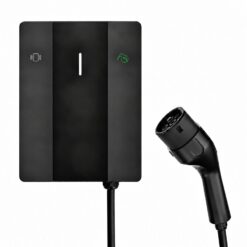
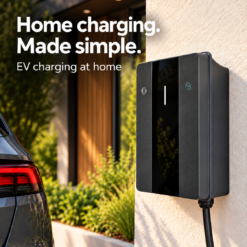
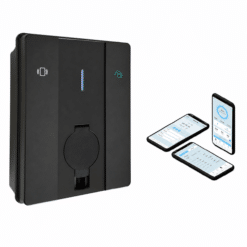
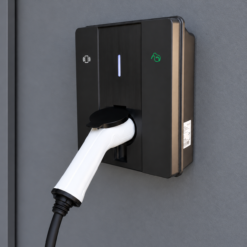
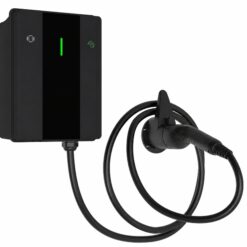
Our new Smart EV Wall Charger design has space for a planned V2H plug-in module. Here is the pathway that could one day let a compatible EV power a home or export to the New Zealand grid.

Development update, not a promise of V2G. Space for a module does not guarantee vehicle support, certification, network approval or a retailer offer. Two-way power is not available through this charger today. We cannot guarantee that the parts below will allign however we are working as hard as we can to make it happen.

Explore the pathway How it could work

VEHICLE ↔ HOME

SMART EV
↔

HOME ↔ GRID

Current status: development in progress

Page reviewed: 19th October 2026

How V2G two-way charging could work 

The module would handle communication between car and charger. The car would need an onboard inverter suitable for AC bidirectional operation.
Home supply and grid export would also depend on compliant equipment, installation, controls and network approval. Payment for exported power would require suitable metering and a retailer agreement.

01 / STORE

Charge your EV

Store energy when prices are lower or solar power is available.

02 / AGREE

Car and charger communicate

ISO 15118-20 coordinates a supported two-way session.

03 / CONVERT

Power flows back

With AC export, a suitable inverter in the car would supply power back to the grid or house. 

04 / USE OR EXPORT

Home, then grid

Power could offset home use while the grid is live. Surplus could be exported within approved limits.

THE PATHWAY

The route to New Zealand use

The dated steps are manufacturer targets. Later steps have no date. We will mark a step done only when it is actually done.

ACTUAL PROJECT STATUS

Module development

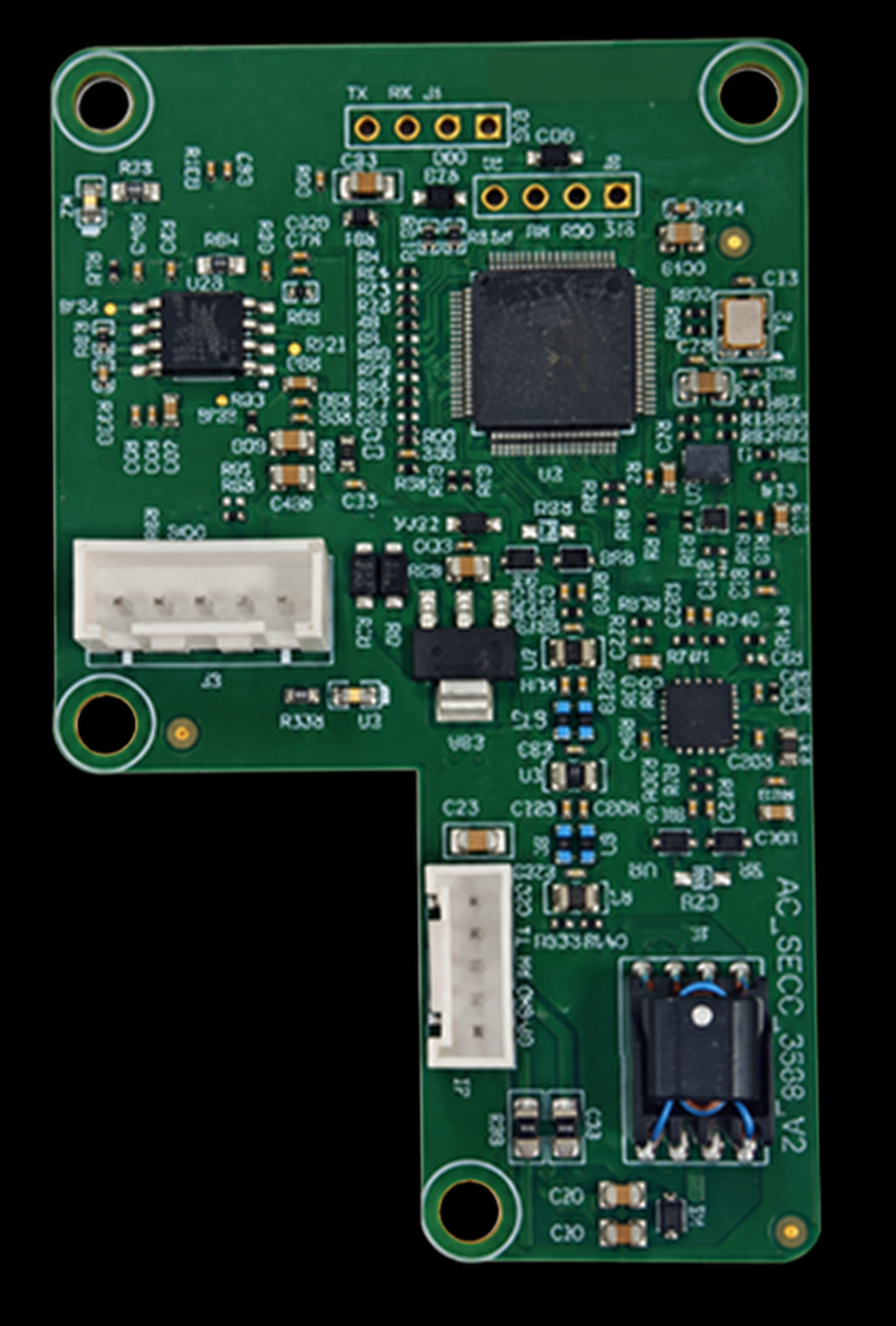
The ISO 15118-20 plug-in module is being developed and produced. Actual model below.

Vwehicle to home module

STAGE YOU ARE VIEWING

Module development

NOW · 2026 CURRENT STAGE

Developing the plug-in module

The module has been designed and is under going testing. Our Smart EV charger  reserves space for the module. When ready, the charger is opened by an electrician, the module simply plugs in. Cost for the module will be around $150 + the installation costs from your electrician.

MARCH 2027 TARGET

Module finished

Manufacturer target to complete the plug-in module for integration testing.

Manufacturer target · subject to change

July 2027 TARGET

Software update

Manufacturer target for the software needed to manage a compatible two-way session. Local conrol via an updated app. OCPP 2.1 is on the road map to be released in the future. 

Manufacturer target · subject to change

JULY 2027 TARGET

Test certificates updated

Target to update evidence for the changed hardware and software, including reverse-power protection and EMC testing needed for communications.

Manufacturer target · subject to change

DATE UNKNOWN SUPPLIER GATE

New Zealand connection requirements

V2H charger that can export to the grid is treated as distributed generation. It must meet the applicable inverter standard and the local lines company’s connection and export-control requirements. These vary between lines company. Some lines companies already mention the requirements for V2H others do not specifically. 


DATE UNKNOWN VEHICLE GATE

Vehicle and inverter conformity

For AC export to the grid, the inverter is in the car. Each vehicle maker would need to provide a test report stating that the onboard inverter meets AS/NZS 4777.2.
We will gather a list of compatible vehicles and manufactures as we receive information.

DATE UNKNOWN NETWORK GATE

NZ installation and network approval

Before the car can send power to the grid, the local lines company must approve the connection and export limit. If the home already has solar, both sources are considered together. The electrical installation must also be certified and inspected. An export meter is required for homes that don’t have one already to enable export. 

DATE UNKNOWN COMMERCIAL GATE

Retailer offer and launch

We plan to launch the add-on module once the product’s NZ compliance requirements are met, compatible vehicles are verified, and the installation and network connection process is confirmed. 


In the future power retailers could also offer an app to turn on and off the discharge function during peak demand. Discharge limits would be set by the user to ensure you have enough charge. The user would be paid a premium for the power at peak times. 

THE RULES BEHIND THE ROADMAP

Four layers have to align

No single standard makes this product approved for grid export.

CAR ↔ CHARGER

ISO 15118-20

Coordinates a supported car and charger via the plug in module. 

INSTALLATION + INVERTER

AS/NZS 4777

Part 1:2024 governs installation; Part 2:2020 with Amendments 1 and 2 covers inverter performance. The car needs to meet this so it can connect to the grid. Car manufactures need to provide certification and evidence. 

CHARGER ↔ PLATFORM

OCPP 2.1

OCPP 2.1 adds bidirectional features for optional remote management by the power company. The current model of our Smart EV Wall Chargers supports OCPP 1.6J. OCPP 2.1 is planned for 2027 subject to development and testing. 

LOCAL PERMISSION

NZ network + retailer

The local lines company sets connection requirements and export limits. Payment for exported energy also needs suitable metering and a retailer agreement. These are separate from product compliance and may require updates to an existing solar connection.

Does this require OCPP v2?

ISO 15118-20 handles the car-to-charger link. OCPP 2.1 supports standard remote bidirectional control, but a different control route may be possible. The final product design and how a changing network export limit reaches it are unconfirmed.

PRACTICAL QUESTIONS

What this means for owners

Will any V2L car work?

No. Export through the charge port needs specific vehicle support and grid compliance.

Can it power my home?

Potentially, while the grid is live, with an approved vehicle, installation and control system.

Will it work alongside solar?

Potentially. Solar and the car must share the approved site export limit, with controls that coordinate both systems.

Can I use it in a blackout?

No. This proposed grid-connected mode stops when the grid fails. Separate V2L backup is a different arrangement.

Will I earn a dynamic export credit?

Possibly, if a suitable retailer plan and approved metering are available.